
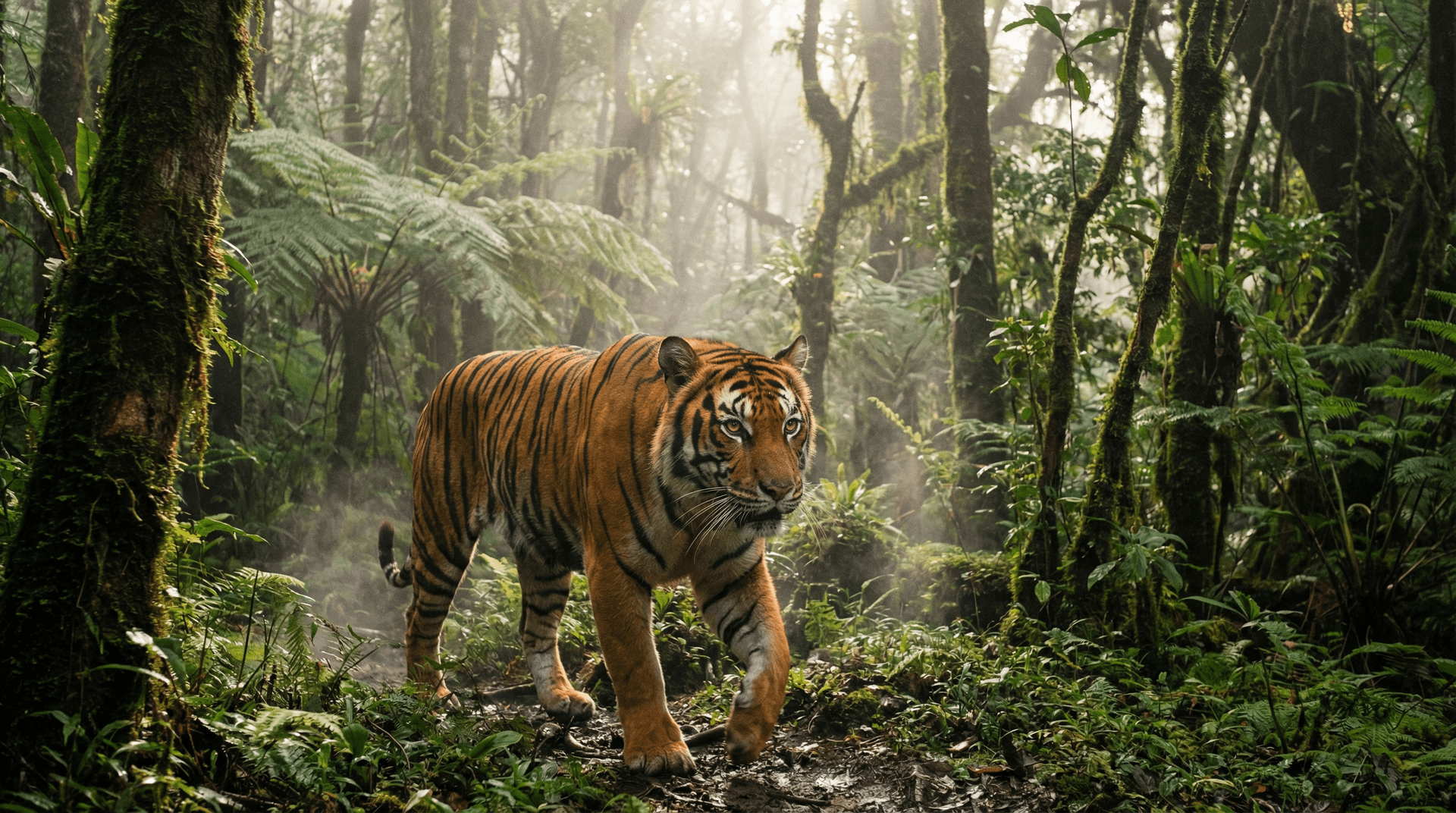
Top 10 Most Endangered Animals in 2025
Introduction
As we enter 2025, many of Earth's most magnificent creatures stand on the brink of extinction. Habitat destruction, climate change, poaching, and human encroachment continue to push species toward their final days.
In this article, we highlight ten of the most critically endangered animals that need our attention and protection now more than ever.
1. Javan Rhinoceros
Population: Fewer than 80 individuals Location: Ujung Kulon National Park, Indonesia Status: Critically Endangered
The Javan rhinoceros is considered the rarest large mammal on Earth. Once roaming throughout Southeast Asia, these magnificent creatures now exist only in a single national park in Indonesia.
Main threats:
- Extremely small population size
- Natural disasters (volcanic eruption risk)
- Disease
- Poaching for horns
2. Amur Leopard
Population: Around 100 individuals Location: Russian Far East and Northeast China Status: Critically Endangered
The Amur leopard is the world's rarest big cat. These beautiful spotted cats have adapted to the harsh, cold forests of the Russian Far East, but their numbers remain perilously low.
Main threats:
- Habitat loss from logging and forest fires
- Poaching for fur
- Prey depletion
- Inbreeding due to small population
3. Sumatran Orangutan
Population: Approximately 14,000 individuals Location: Northern Sumatra, Indonesia Status: Critically Endangered
Sharing 96.4% of our DNA, Sumatran orangutans are one of our closest relatives. These intelligent great apes are rapidly losing their forest homes to palm oil plantations.
Main threats:
- Deforestation for palm oil
- Illegal pet trade
- Human-wildlife conflict
- Forest fires
4. Mountain Gorilla
Population: Around 1,000 individuals Location: Virunga Mountains (Rwanda, Uganda, DRC) and Bwindi Forest Status: Endangered
Mountain gorillas live in high-altitude forests in central Africa. Thanks to intensive conservation efforts, their numbers have slowly increased, but they remain vulnerable.
Main threats:
- Habitat loss
- Political instability in the region
- Disease (especially respiratory illnesses)
- Snares set for other animals
5. Hawksbill Sea Turtle
Population: Unknown, but severely depleted Location: Tropical oceans worldwide Status: Critically Endangered
Hawksbill turtles have been hunted for centuries for their beautiful shells. Today, they face numerous threats in our increasingly polluted oceans.
Main threats:
- Illegal shell trade
- Plastic pollution
- Climate change affecting nesting beaches
- Fishing net entanglement
- Coral reef destruction
6. Saola
Population: Unknown (possibly fewer than 100) Location: Annamite Mountains (Vietnam and Laos) Status: Critically Endangered
Discovered only in 1992, the saola is so rare it's called the "Asian unicorn." This forest-dwelling bovine has never been seen in the wild by scientists.
Main threats:
- Snare traps set for other animals
- Habitat fragmentation
- Small, isolated populations
7. Vaquita
Population: Fewer than 10 individuals Location: Gulf of California, Mexico Status: Critically Endangered
The vaquita is the world's smallest and most endangered cetacean. These tiny porpoises are on the very edge of extinction, with illegal fishing being the primary cause.
Main threats:
- Gillnet fishing (bycatch)
- Illegal totoaba fishing
- Extremely small population
8. Sumatran Tiger
Population: Fewer than 400 individuals Location: Sumatra, Indonesia Status: Critically Endangered
The smallest of all tiger subspecies, the Sumatran tiger is the last surviving tiger species in Indonesia. Their forest habitat continues to shrink at an alarming rate.
Main threats:
- Deforestation for palm oil and paper pulp
- Poaching for traditional medicine
- Human-tiger conflict
- Prey depletion
9. Cross River Gorilla
Population: 200-300 individuals Location: Nigeria-Cameroon border Status: Critically Endangered
The Cross River gorilla is the most endangered great ape in Africa. They live in a fragmented habitat across rugged, mountainous terrain.
Main threats:
- Habitat loss from agriculture
- Hunting
- Small, fragmented populations
- Low genetic diversity
10. Yangtze Giant Softshell Turtle
Population: 1-2 known individuals Location: Vietnam (possibly China) Status: Critically Endangered (Functionally Extinct)
This massive freshwater turtle may be the world's rarest reptile. With potentially only one or two individuals remaining, the species teeters on the absolute edge of extinction.
Main threats:
- Hunting for food and traditional medicine
- Habitat destruction
- Pollution
- Sand mining
How You Can Help
While the situation seems dire, there are ways you can make a difference:
Support Conservation Organizations
Organizations working to protect these species include:
- World Wildlife Fund (WWF)
- International Rhino Foundation
- Orangutan Foundation International
- Gorilla Doctors
Make Sustainable Choices
- Avoid products with palm oil or choose certified sustainable palm oil
- Reduce plastic use to protect marine species
- Choose sustainable seafood
- Support eco-tourism
Spread Awareness
Education is powerful. Share information about endangered species with friends, family, and on social media. The more people understand the crisis, the more likely we are to see change.
Reduce Your Carbon Footprint
Climate change affects nearly every endangered species. Reducing your environmental impact helps protect habitats worldwide.
Conclusion
These ten species represent just a fraction of the animals facing extinction. Every species plays a vital role in its ecosystem, and losing them would have far-reaching consequences.
At AnimalWorld AI, we believe in the power of awareness. By visualizing these incredible animals through AI-generated images, we hope to inspire a deeper connection with wildlife and support for conservation efforts.
Explore our Wild Animals and Extinct Animals galleries to learn more about Earth's amazing biodiversity.
Want to see these magnificent creatures? Generate your own wildlife images with our AI Image Generator.
Editorial note
AnimalWorld.ai blog posts explain animal image ideas, prompts, and creative use cases in more detail. methodology · contact page
